

Open Drip-Proof vs Totally Enclosed: Thermal Metrics From an Advanced IP23 Motors Manufacturer
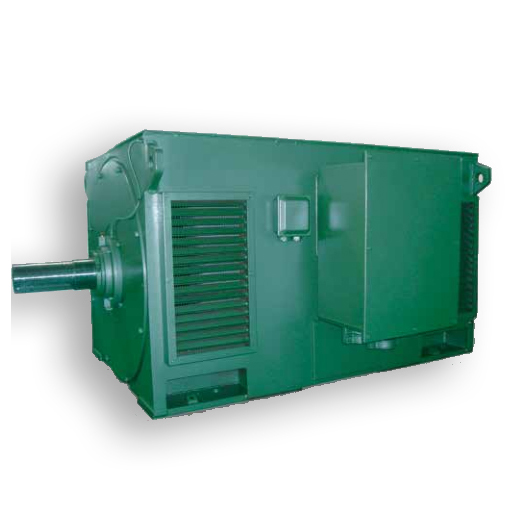
Fluid Dynamics of Cooling: Evaluating Internal Direct Convective Heat Transfer Coefficients
To comprehend the technical differences between these motor enclosures, engineers must evaluate the complex thermal resistance networks inside heavy machinery. Heat energy originates within the copper stator windings and cold-rolled iron laminations during active electrical conversion. In a standard totally enclosed fan-cooled motor, this heat must travel through multiple physical layers before reaching the ambient air. Specifically, the thermal energy conducts through the winding insulation, crosses internal air gaps, and passes through the heavy iron enclosure fins. Finally, an external cooling fan dissipates this accumulated heat via forced convection. This long, indirect conduction path creates a substantial thermal bottleneck that limits the maximum heat rejection rate.
In contrast, an open drip-proof architecture utilizes a direct convective heat transfer mechanism to manage localized thermal flux. Ambient air enters the internal enclosure directly through engineered ventilation slots, sweeping across the stator end-turns and exposed rotor surfaces. This continuous direct exposure eliminates the thermal barrier created by a thick outer enclosure frame. Consequently, the direct convective heat transfer coefficient increases significantly compared to indirect cooling methodologies. By removing the physical insulation layer of a sealed outer frame, the internal ventilation scheme evacuates heat almost instantaneously. This superior thermal behavior suppresses dangerous localized hot spots that accelerate insulation aging. Therefore, the open enclosure method establishes an optimal thermal equilibrium, allowing the motor to run continuously under high loads without experiencing extreme internal heat accumulation. Plant technicians observe much lower core operating temperatures when running these open systems in baseline facility tests. This direct thermal relief reduces mechanical fatigue throughout the entire frame assembly during long shifts. Furthermore, maintenance crews report fewer unexpected failures when operating these units within clean factory conditions.
Volumetric Power Density: Optimizing Kilowatts-per-Cubic-Meter in Restricted Footprints
Superior thermal dissipation capability directly alters the physical dimensions of large-scale rotating electrical machinery. When an electric motor eliminates internal heat rapidly, design engineers can safely reduce the physical mass and volume of the core assembly. This geometric optimization allows the machinery to deliver identical kilowatt ratings within a significantly smaller physical footprint. Industry experts quantify this relationship using the volumetric power density metric, which measures the kilowatt output per cubic meter of machine volume. Open drip-proof machinery consistently demonstrates a much higher volumetric power density ratio than equivalent totally enclosed models.
Furthermore, this compact footprint yields cascading economic benefits for large-scale industrial projects. Smaller motor frames require less raw material during the manufacturing process, which lowers the initial procurement cost for high-voltage installations. Simultaneously, the reduction in total weight simplifies transportation logistics and minimizes the structural foundation requirements inside the plant. Heavy concrete mounting pads and structural reinforcement beams can be downsized accordingly, reducing initial civil engineering expenses. Plant designers can easily allocate space inside tight mechanical rooms, maximizing the overall utility of restricted industrial floor layouts. This spatial efficiency proves highly advantageous when retrofitting older facilities where physical space remains fixed. Project managers reduce structural remodeling expenses significantly by choosing these lightweight alternatives. Furthermore, the reduced mechanical inertia of a smaller rotor assembly improves system responsiveness during sudden speed adjustments. This operational nimbleness optimizes factory output while lowering localized structural vibration patterns across the factory floor.
The Y-Series Architecture: Engineered Air Paths and Stator Thermal Management at SUNVIM
To achieve high power density, exquisite manufacturing techniques and fluid simulation air duct optimization are indispensable. The Sunvim Motor Y series high-voltage asynchronous motor improves the stator heat dissipation problem by optimizing the air duct. This series of three-phase asynchronous motors uses computational fluid dynamics to complete the design of the internal ventilation structure. The internal cooling air duct precisely aligns with the hottest heat-generating areas, ensuring uniform temperature distribution across the entire iron core. The refined air duct design can effectively reduce local overheating and extend the service life of the main insulation.
Additionally, the mechanical enclosure incorporates a specialized canopy design that protects the internal electrical components from vertical moisture ingress. This engineered shield safely deflects falling liquid droplets up to a 15-degree angle from the vertical line, easily satisfying IP23 protection standards. While maintaining this rigorous defense against liquid penetration, the canopy preserves the open, low-restriction exhaust paths required for high-volume airflow. To enhance environmental resilience further, SUNVIM MOTOR(SHANDONG SUNVIM MOTOR CO., LTD.) applies a sophisticated vacuum pressure impregnation process to the stator windings. This premium insulation treatment coats the copper conductors with a durable, moisture-resistant varnish that prevents dielectric breakdown. By combining precision air path geometry with robust insulation technologies, SHANDONG SUNVIM MOTOR CO., LTD. delivers an exceptionally reliable high-voltage drive solution for challenging indoor environments.
Micro-Climate Matching: Strategic Sourcing for Indoor Pump Stations and Compressor Vaults
Maximizing industrial plant reliability requires engineering teams to match specific motor enclosure designs with the surrounding factory micro-climate. While totally enclosed motors remain necessary for outdoor sites or heavily contaminated zones, open drip-proof units excel in controlled settings. Clean indoor environments require specialized machinery that delivers extreme power density within a restricted
footprint rather than heavy particulate protection. Large municipal pump stations, climate-controlled air compressor vaults, and industrial HVAC chiller rooms represent perfect environments for high-voltage IP23 motor integration. These clean indoor locations allow facilities to exploit the high thermal efficiency of ODP designs fully without risking internal particle accumulation.
By implementing a balanced, risk-reward sourcing matrix, project managers can achieve significant capital and operational savings. Choosing an open drip-proof drive system for clean indoor settings lowers initial equipment costs while providing superior cooling performance. This calculated strategy allows facilities to meet demanding industry applications efficiently without purchasing unnecessary, over-engineered enclosures. Ultimately, deploying advanced Y-series IP23 machinery helps global enterprises optimize their thermodynamic processes, shrink civil engineering footprints, and secure excellent financial returns. Engineering executives who prioritize sustainable efficiency and resource autonomy choose these refined open drive solutions to future-proof their critical infrastructure.
Corporate Website: https://www.sunvimmotor.com/.
SHANDONG SUNVIM MOTOR CO., LTD.
SHANDONG SUNVIM MOTOR CO., LTD.
+ +86 536-5827128
email us here
Visit us on social media:
LinkedIn
Facebook
YouTube
X
Legal Disclaimer:
EIN Presswire provides this news content "as is" without warranty of any kind. We do not accept any responsibility or liability for the accuracy, content, images, videos, licenses, completeness, legality, or reliability of the information contained in this article. If you have any complaints or copyright issues related to this article, kindly contact the author above.
